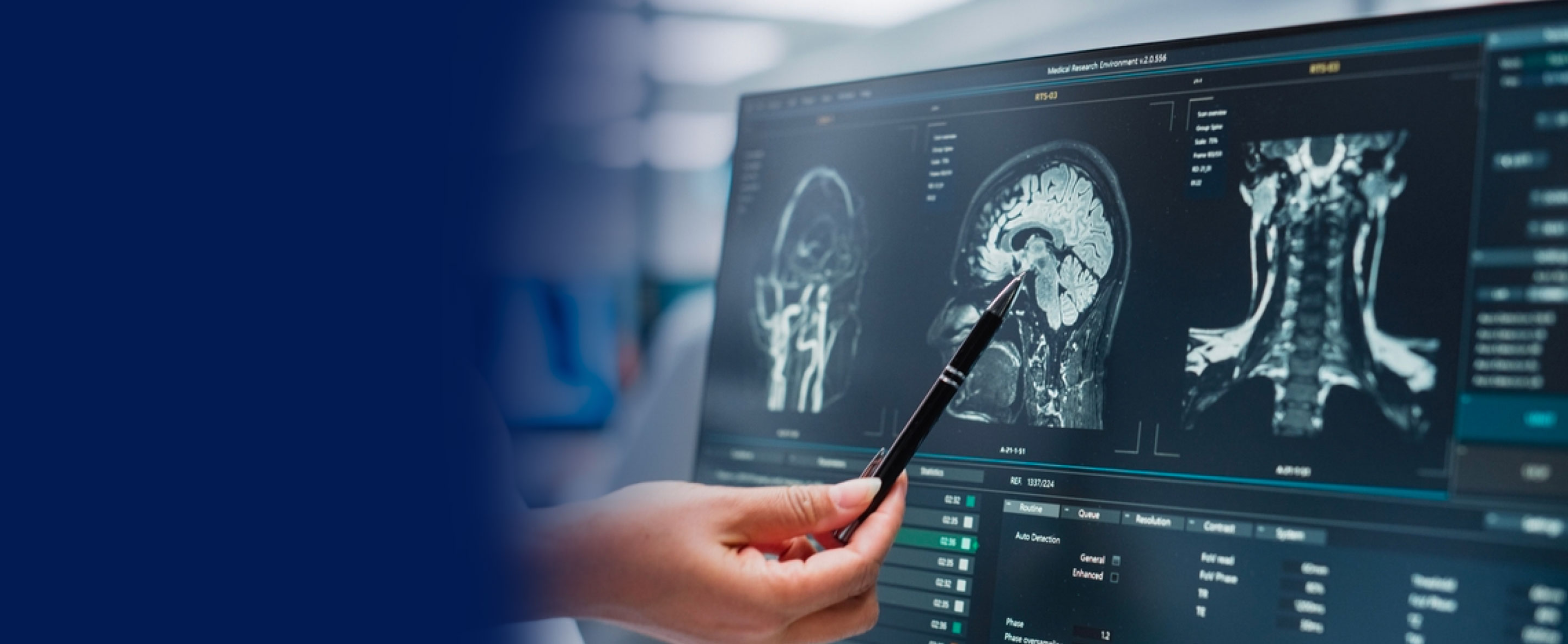
Walk Again provides reliable and efficient rehabilitation care from cognitive therapy to specialized programmes like gait training. Avail the holistic neuropsychological rehabilitation for traumatic brain injury with personalized approach.
Traumatic brain injury (TBI) is a general term used to describe a wide range of brain injuries that happen due to sudden, external, physical blow, ultimately leading to brain damage. It can result from a blow to the head, a violent fall, or an object piercing the skull. From a minor concussion to a severe injury that puts the victims in a coma or even kills them, brain injuries can range widely in severity.
When given the right care, the symptoms of some mild brain injuries can eventually go away. During the acute phase of treatment, brain injury patients begin their rehabilitation. A more comprehensive rehabilitation programme is frequently started as the patient's condition gets better. Neurorehabilitation planning for a patient depends on type & severity of the brain injury, type & degree impairments/disabilities, and overall health status of the patient.








Empower your Rehabilitation journey with FDA-approved and Internationally recognized Neuromodulation Techniques that integrate Real-time Biofeedback to regenerate and improve body functions.
World’s 1st wearable exoskeleton that aims at regenerating and enhancing limb function

A wireless device for rehabilitation through unilateral and bilateral training Interactive therapies.

World’s thinnest posturography system used for balance training and fall prevention.

World’s 1st multi-limb rehabilitation robot that addresses and corrects motor deficits.

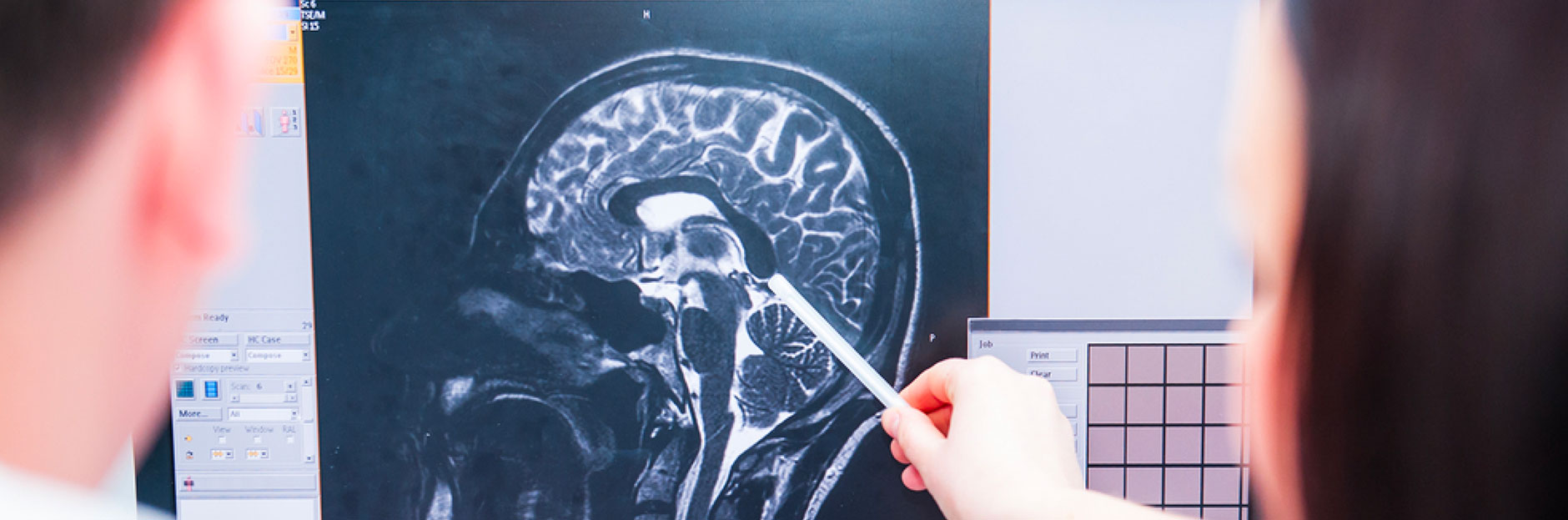
During the acute phase of treatment, brain injury patients begin their rehabilitation. A more comprehensive rehabilitation programme is frequently started as the patient's condition gets better. Neurorehabilitation planning for a patient depends on type & severity of the brain injury, type & degree impairments/disabilities, and overall health status of the patient.
Many patients who had sustained the injury saw their lost functions restored as a result of receiving individualized exercise, educational, and neuromodulatory programmes. Compared to standard care, early onset and more intensive neurorehabilitation can help patients with moderate to severe traumatic brain injury recover and achieve better functional outcomes. Early rehabilitation interventions have been found to shorten acute phases, shorten hospital stays, and improve discharge performance in patients with severe traumatic brain injury.
The novel rehabilitative approaches focused on high-intensity, repetitive, and task-oriented training results in better motor and cognitive rehabilitation outcomes. Early verticalization and gait training through robotic devices and other innovative tools helps in boosting neurological activity in recovering patients. In the same way, cognitive rehabilitation backed by advanced interventions using virtual reality (VR), computer-based approaches, telerehabilitation, and neuromodulation devices, leads to better outcomes and patient satisfaction.
There is a high-satisfaction rate in patients who relearned self care, cognitive skills, socialization, adapting with residual impairments, and a lot more from psychosocial therapy.


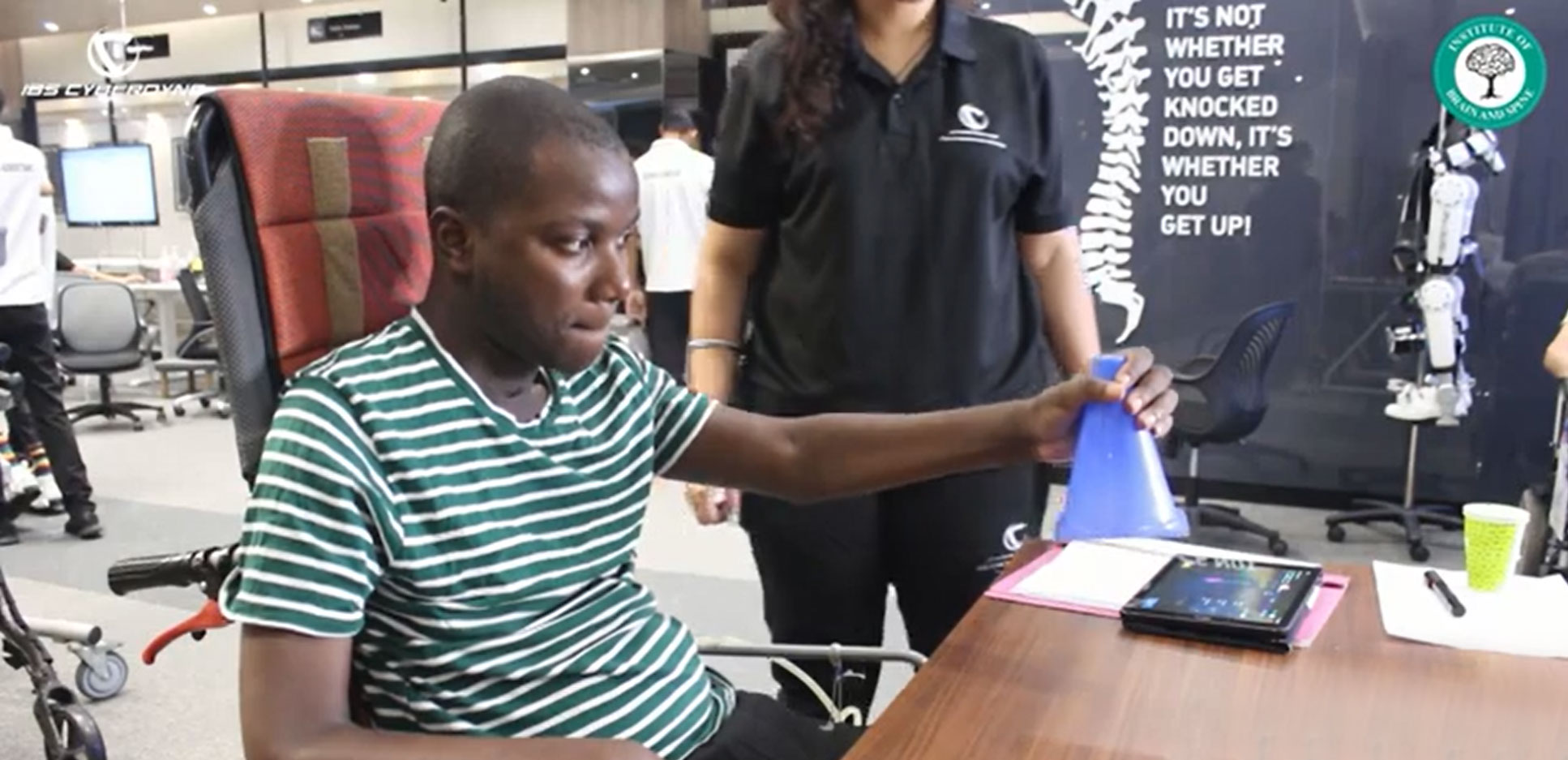

Check out our blog for valuable data, personal experiences, and advice on neuro rehab, professional knowledge collection, participating in others' experiences, coping strategy identification, and discovering the motivation for advancement.
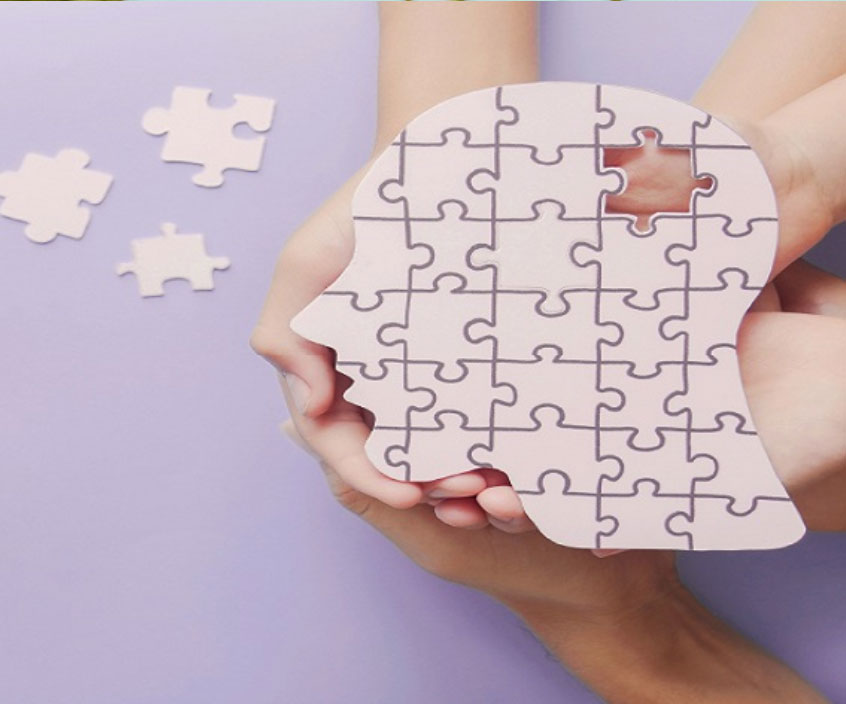 verified by: Dr. Rajesh Kumar
Our memory plays a crucial role in determining our ability to acquire knowledge and understand things. This is primarily because it allows us to retain and recall our past experiences and use them in our present.
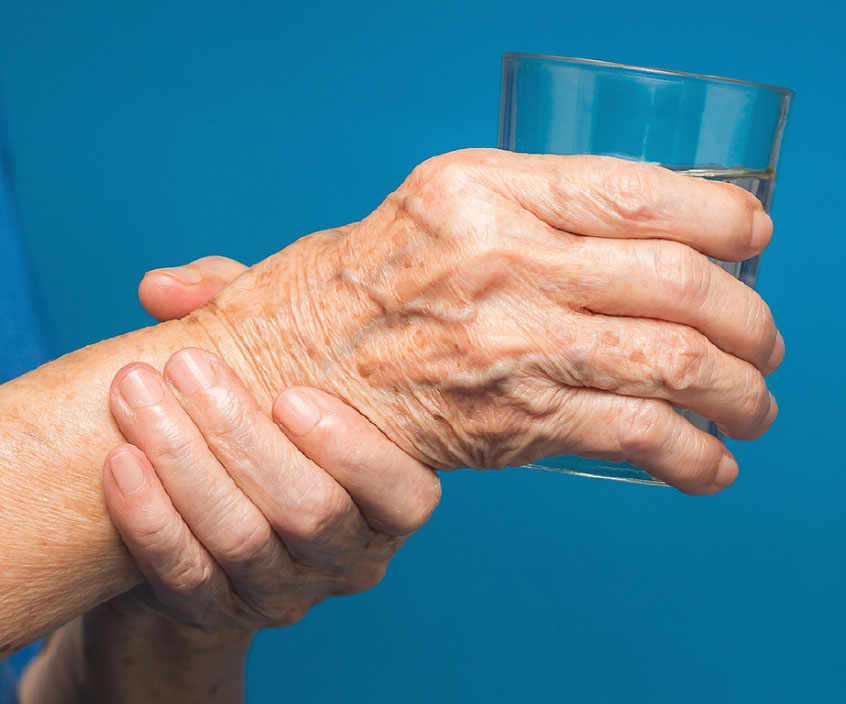 verified by: Dr. Rajesh Kumar
Parkinson’s may be a word for some, but a reality for more than 8.5 million people across the globe. The neurodegenerative condition drastically impacts a person’s motor symptoms, making them lose control over their movement.
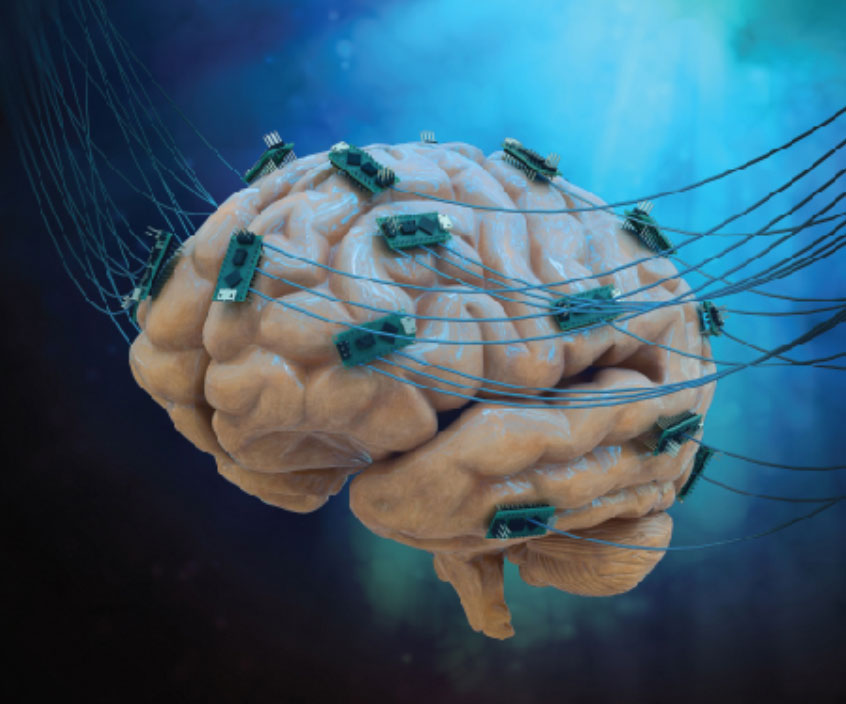 verified by: Dr. Rajesh Kumar
Neurological conditions often prove to be debilitating as these can interfere with the normal conduction of electrical signals between the brain and the body. This can lead to physical or mental impairment that can dramatically impact the quality of the patient’s life.


