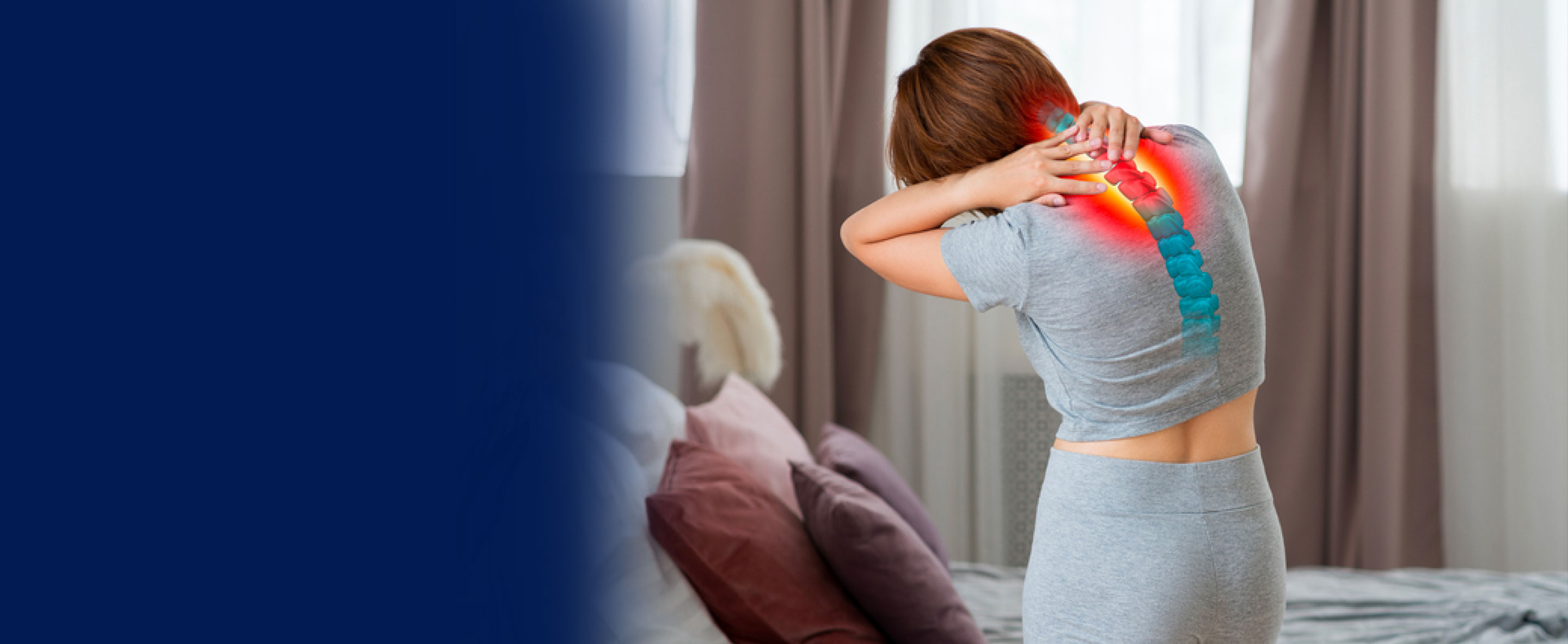
Walk Again provides reliable and efficient rehabilitation care from cognitive therapy to specialized programmes like gait training. Avail the holistic neuropsychological rehabilitation for cervical compression with personalized approach.
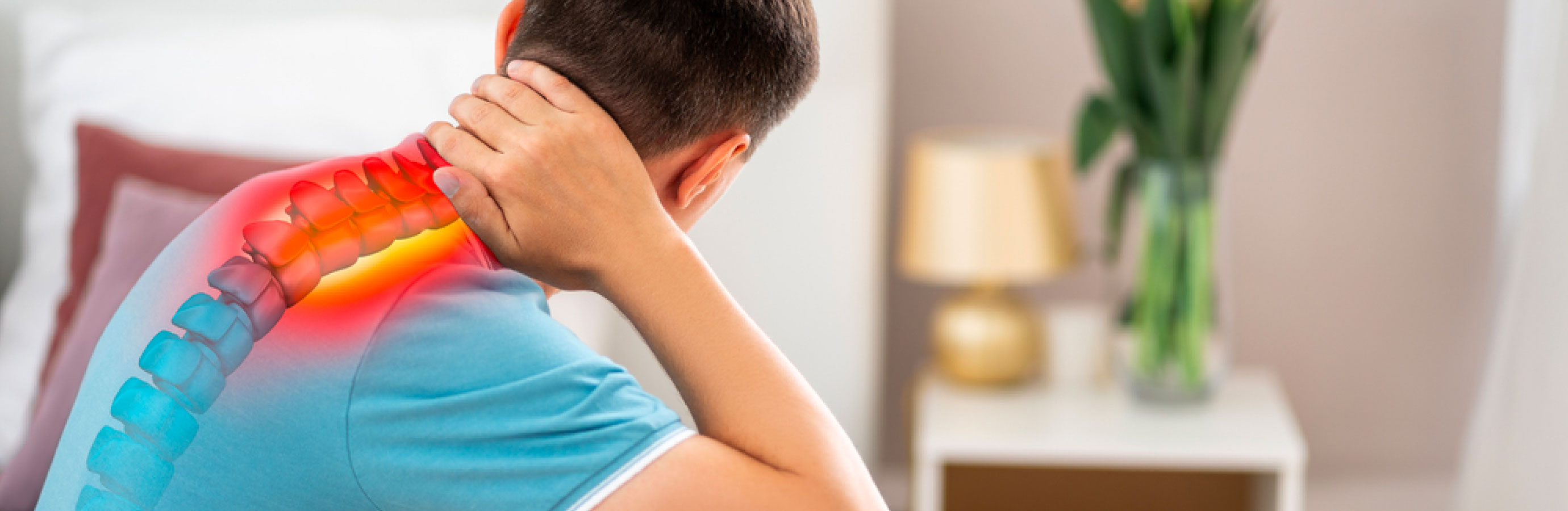
Cervical Compression is a neck condition that occurs due to the compression of the part of the spinal cord present in the cervical spine (neck) region. There are 7 vertebrae in your cervical spine (C1 to C7), 6 intervertebral discs, and 8 nerve roots. These eight nerve roots that mainly regulate the functions of your hands, arms, and shoulders emerge from the cervical spine. When cervical compression happens, the functions of your hands, arms, and shoulders associated with these eight nerve roots are affected.
Accurate and timely neurorehabilitation for cervical compression can help in mitigation of symptoms like weakness, numbness, and impaired body coordination to a great extent, facilitating long-term recovery. Moreover, patients are provided education on how to adapt to residual impairments. It paves a path to an independent life with enhanced quality of living.







Empower your Rehabilitation journey with FDA-approved and Internationally recognized Neuromodulation Techniques that integrate Real-time Biofeedback to regenerate and improve body functions.
World’s 1st wearable exoskeleton that aims at regenerating and enhancing limb function

A wireless device for rehabilitation through unilateral and bilateral training Interactive therapies.

World’s thinnest posturography system used for balance training and fall prevention.

World’s 1st multi-limb rehabilitation robot that addresses and corrects motor deficits.


Neurorehabilitation planning for cervical compression patients depends on grade of cervical compression, type & degree impairments/disabilities, and overall health status of the patient. The exercises in these neurorehabilitation programmes target strengthening the nerve activity and muscles in your legs, back, and abdomen. You might pick up safer techniques for certain tasks of your routine work. It could also be beneficial to learn how to use a cervical collar or braces to support your back. The multidisciplinary team will train for cognitive, motor, and gait improvements.
The quality of life and extent of independence of the patient with cervical compression is enhanced by the modulation of the physiotherapeutic and neuromodulatory rehabilitation programmes to their conditions. As a result, it aids in increasing patients' confidence in their outlook for recovery when they are diagnosed with this disorder.
Early onset and more intensive neurorehabilitation can even aid in the recovery and improved functional outcomes of patients with grade 5 cervical compression when compared to standard care. The patients regain the ability to control their pain and use their hands properly. Many reported significant improvements in their ability to walk after undergoing customized rehabilitation here. In recovering patients, early verticalization and gait training with the support of robotic devices and other cutting-edge tools increases their neural activity and ability to combat associated symptoms to a great extent.
There is a high-satisfaction rate in patients who relearned self care, pain management, adapting with residual impairments, and a lot more from physiotherapeutic and neuromodulatory rehabilitation programmes.

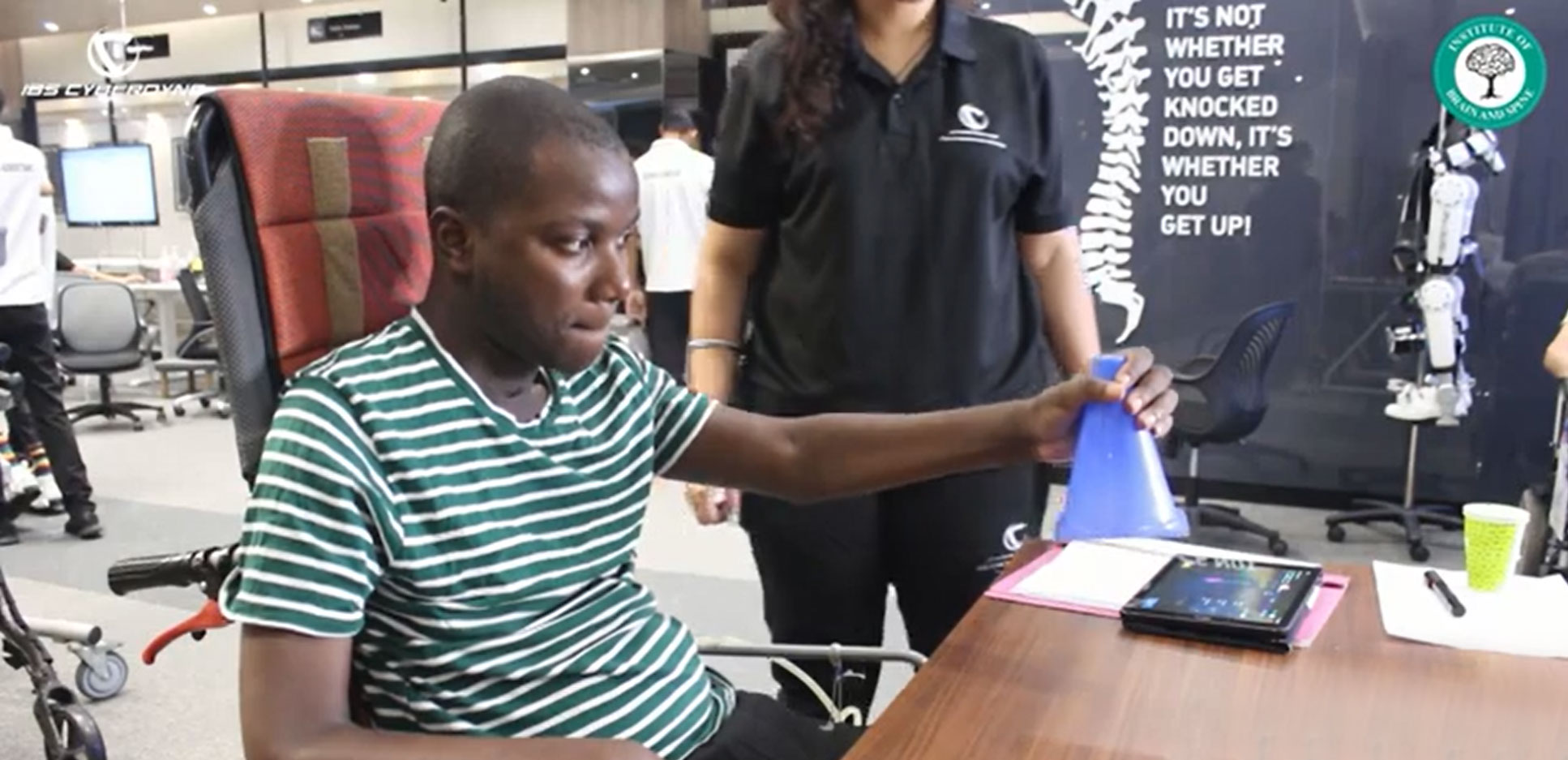

Check out our blog for valuable data, personal experiences, and advice on neuro rehab, professional knowledge collection, participating in others' experiences, coping strategy identification, and discovering the motivation for advancement.
 verified by: Dr. Rajesh Kumar
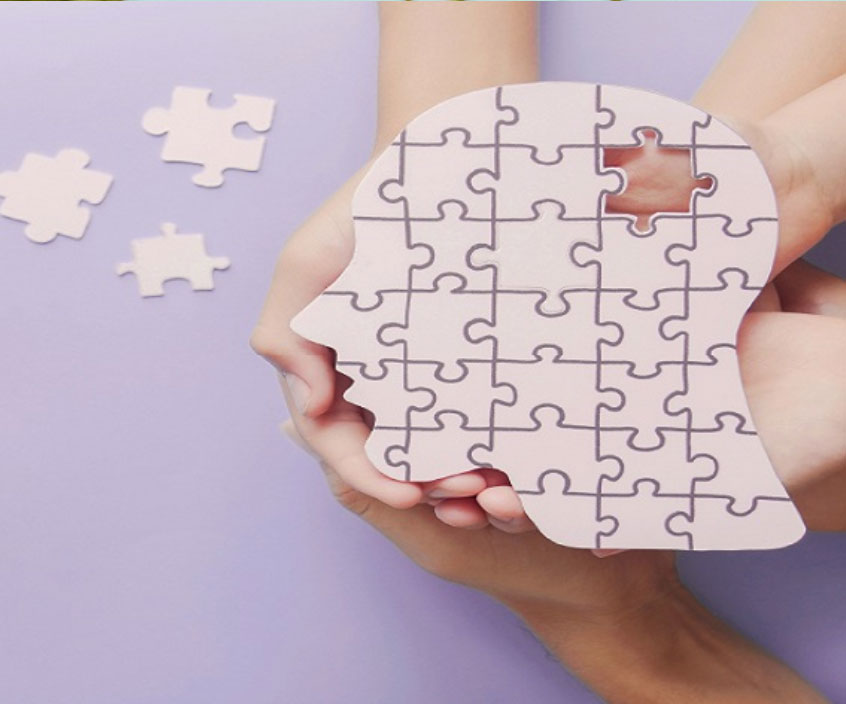
Our memory plays a crucial role in determining our ability to acquire knowledge and understand things. This is primarily because it allows us to retain and recall our past experiences and use them in our present.
 verified by: Dr. Rajesh Kumar
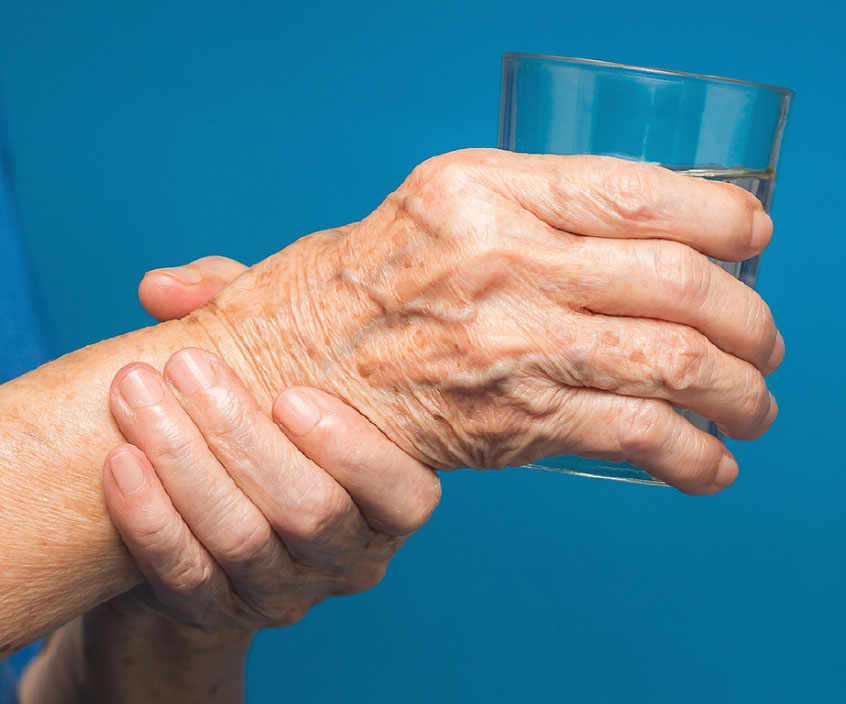
Parkinson’s may be a word for some, but a reality for more than 8.5 million people across the globe. The neurodegenerative condition drastically impacts a person’s motor symptoms, making them lose control over their movement.
 verified by: Dr. Rajesh Kumar
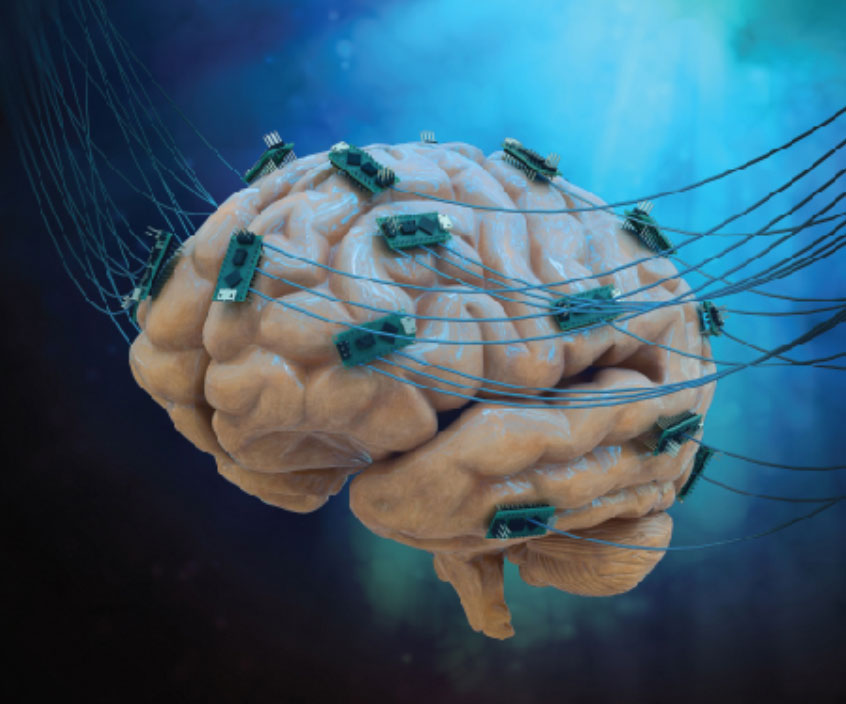
Neurological conditions often prove to be debilitating as these can interfere with the normal conduction of electrical signals between the brain and the body. This can lead to physical or mental impairment that can dramatically impact the quality of the patient’s life.


