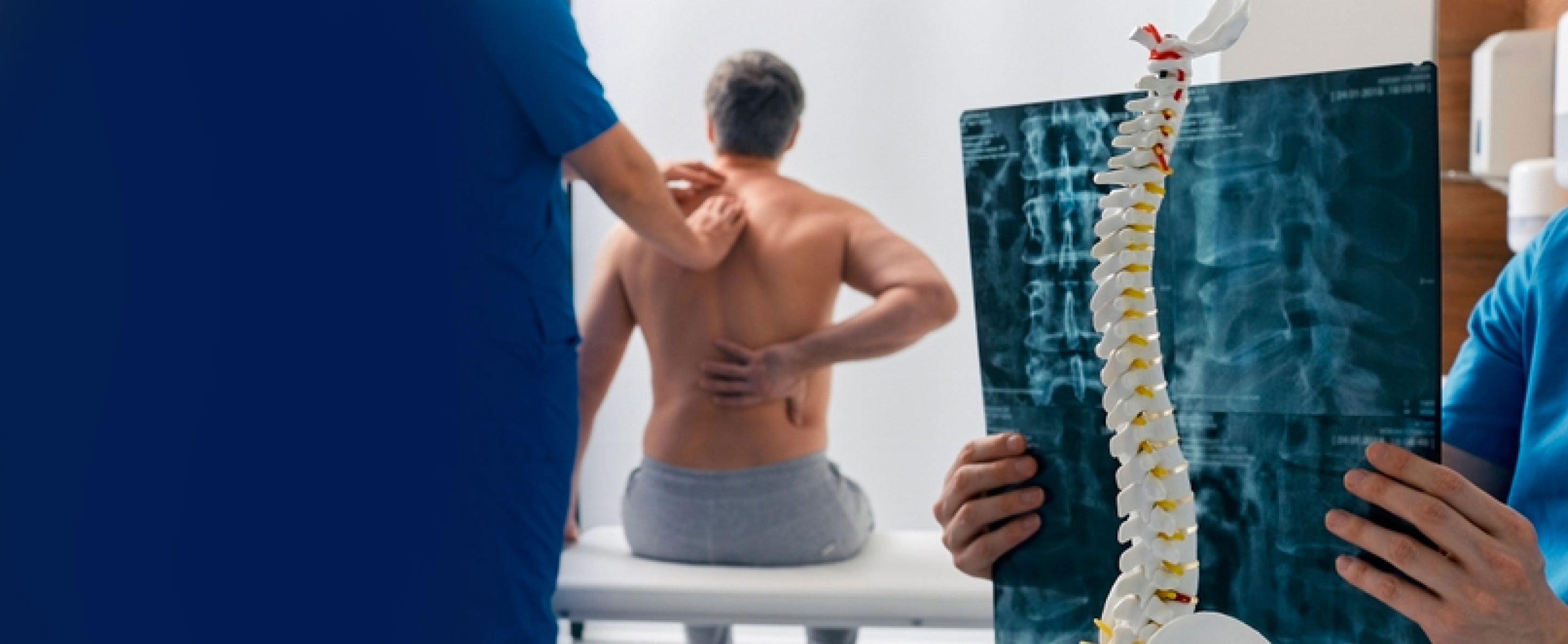
Reclaim Your Independence with Comprehensive Spinal Cord Injury Rehabilitation
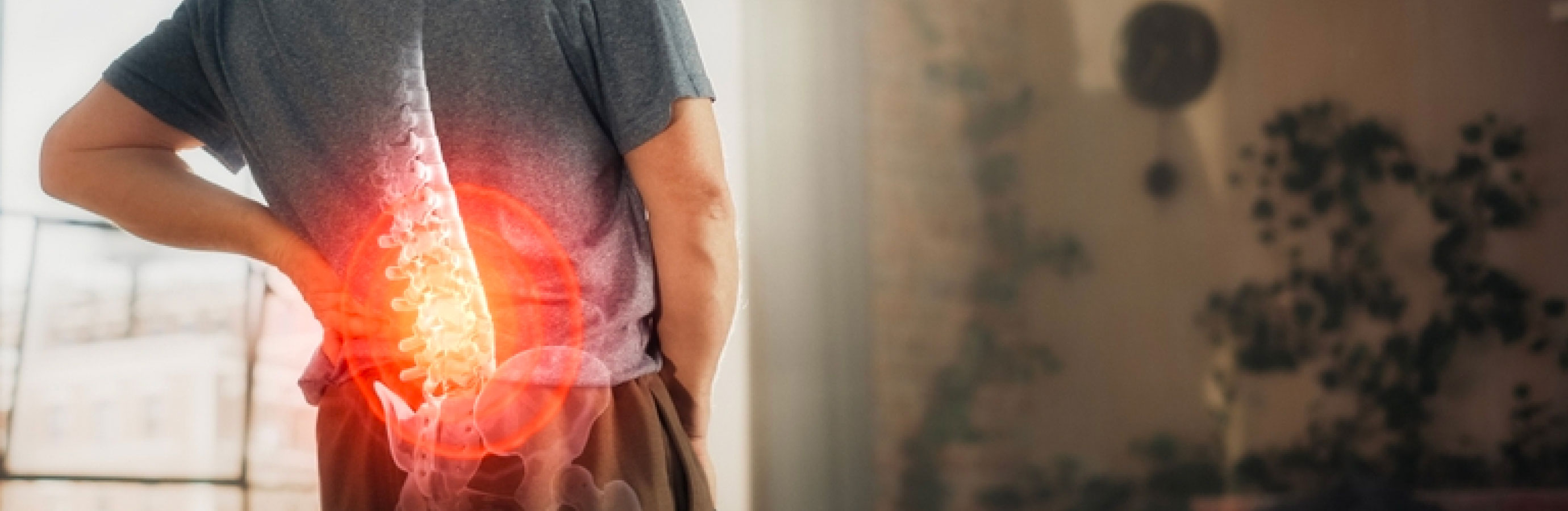
A spinal cord injury (SCI) is defined as an injury to the spinal cord that blocks communication between the brain and the rest of the body. This damage may cause various levels of loss of motor and sensory function below the site of injury. SCIs can result from both severe traumas like falls or accidents as well as non-traumatic ones like disease or tumours.
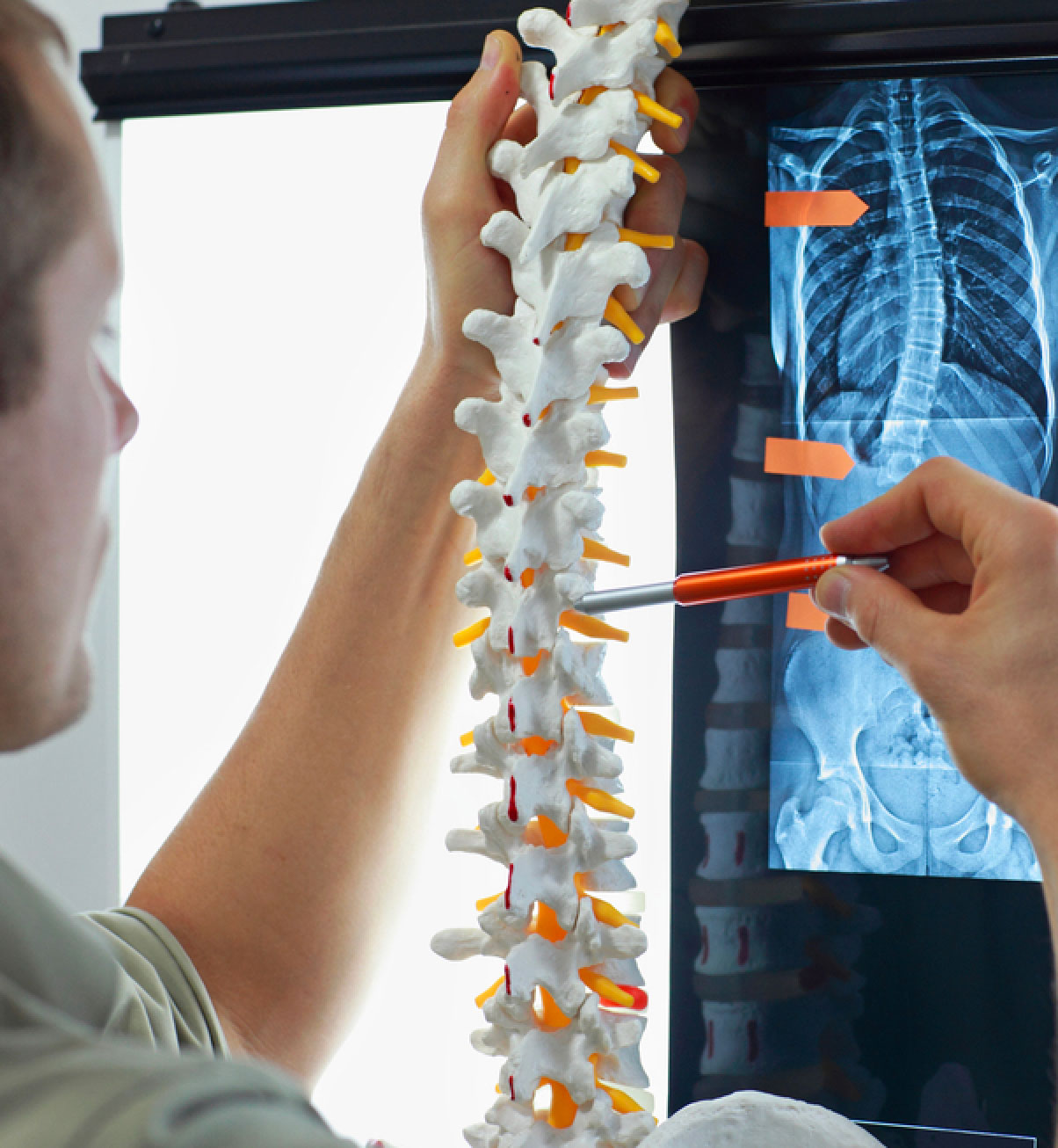
A spinal cord injury has a major impact on the process of treatment. The degree and nature of the injury, the patient's targets, and general health must all be taken into consideration while designing a treatment plan. A multidisciplinary approach is usually used for SCI rehabilitation, and it includes verbal, occupational, physical, and psychological support. The treatment regimen may include drugs, surgical treatments, and supportive tools. Because SCIs are complicated and variable, treatment frequently necessitates continuous assessment and modification to meet changing needs and maximize individual results.






Empower your Rehabilitation journey with FDA-approved and Internationally recognized Neuromodulation Techniques that integrate Real-time Biofeedback to regenerate and improve body functions.
World’s 1st wearable exoskeleton that aims at regenerating and enhancing limb function

A wireless device for rehabilitation through unilateral and bilateral training Interactive therapies.

World’s thinnest posturography system used for balance training and fall prevention.

World’s 1st multi-limb rehabilitation robot that addresses and corrects motor deficits.

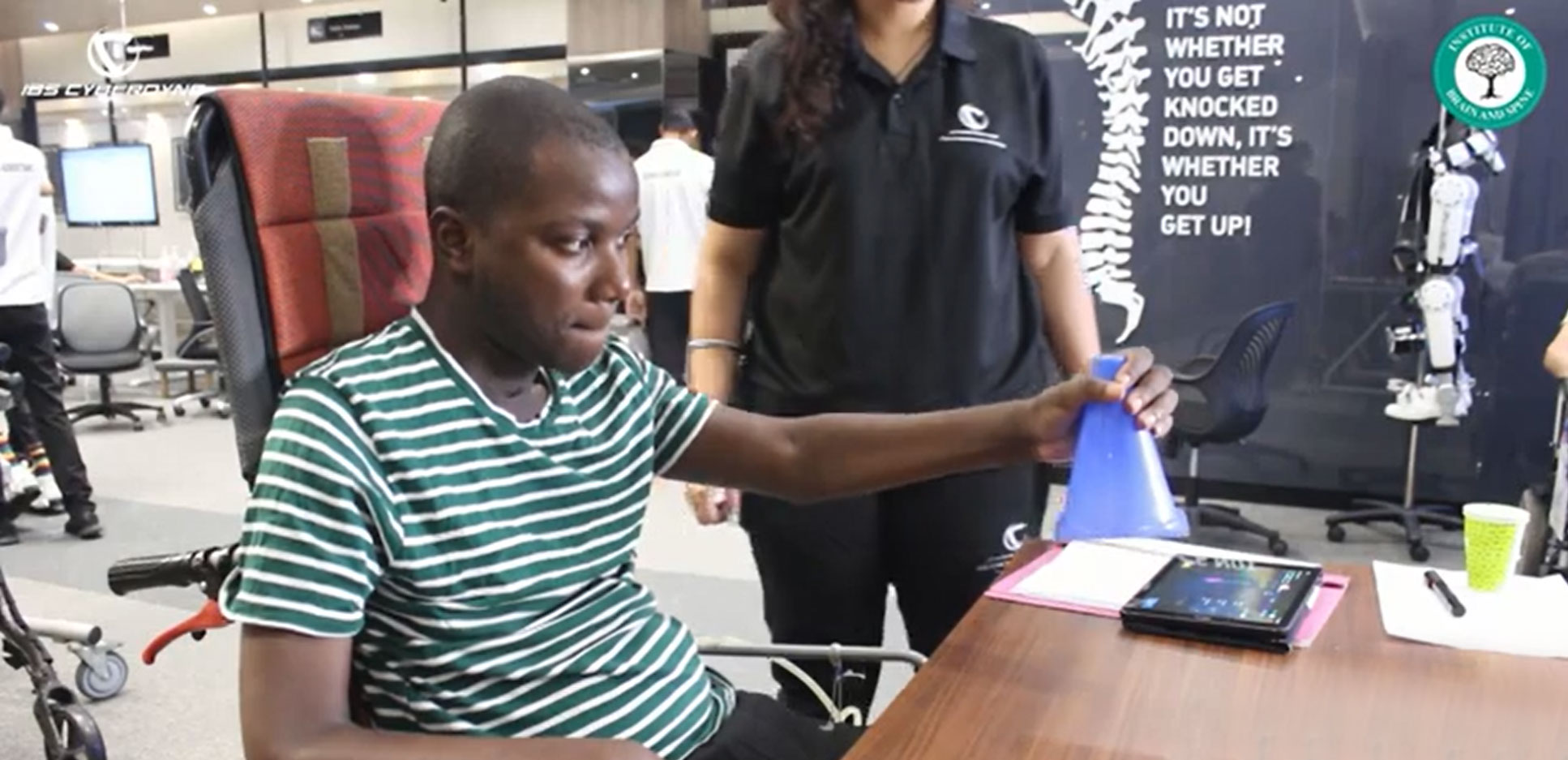
At Walk Again, our neurorehabilitation program for spinal cord injury focuses on restoring mobility, function, and independence. Through personalized therapies, including physical and occupational therapy, neuromodulation techniques, and assistive device training, we aim to optimize recovery outcomes. Our multidisciplinary team provides comprehensive care and support, empowering individuals to regain mobility and improve their quality of life after spinal cord injury.
Following rehabilitation, individuals often experience improved mobility, enhanced independence in daily activities, and better overall quality of life, although outcomes may vary depending on the severity and nature of the spinal cord injury.
Most patients say they are happy with the supportive care, cooperative behaviour, and individualised treatment they received during their recovery. The commitment and experience of the various members provide for a good experience and empower people to confidently overcome challenges.



Check out our blog for valuable data, personal experiences, and advice on neuro rehab, professional knowledge collection, participating in others' experiences, coping strategy identification, and discovering the motivation for advancement.
 verified by: Dr. Rajesh Kumar
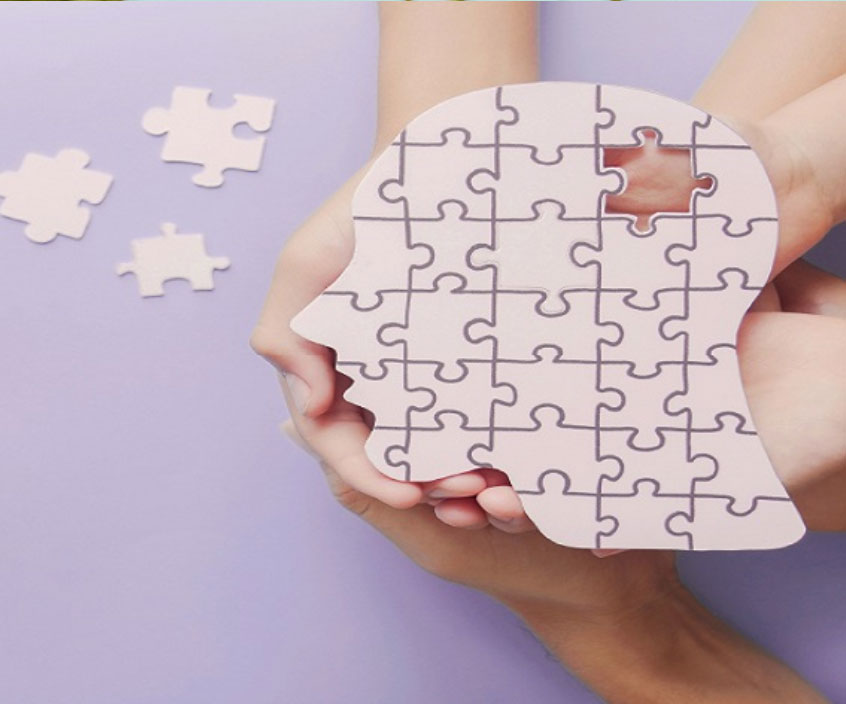
Our memory plays a crucial role in determining our ability to acquire knowledge and understand things. This is primarily because it allows us to retain and recall our past experiences and use them in our present.
 verified by: Dr. Rajesh Kumar
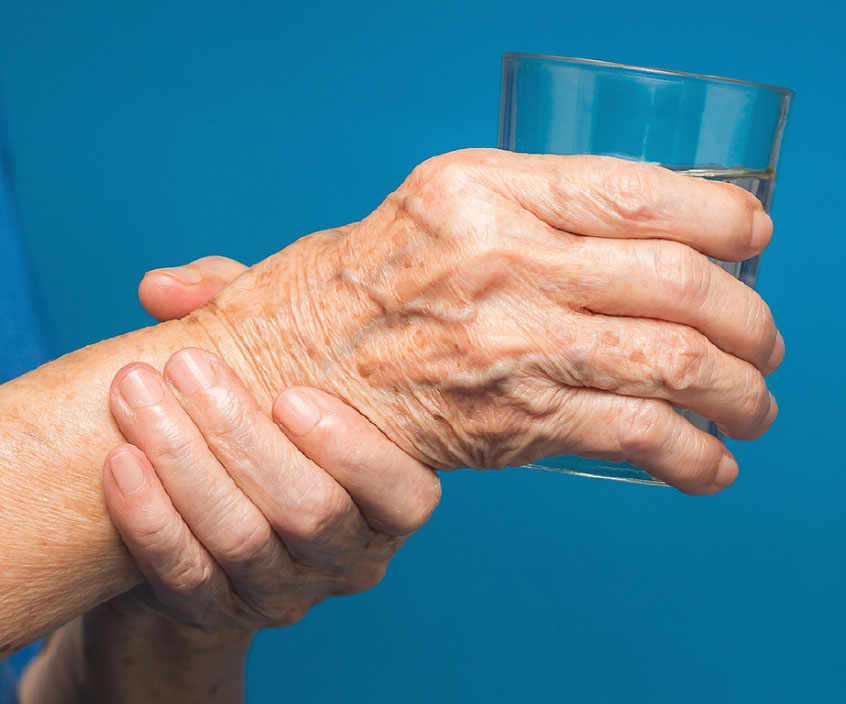
Parkinson’s may be a word for some, but a reality for more than 8.5 million people across the globe. The neurodegenerative condition drastically impacts a person’s motor symptoms, making them lose control over their movement.
 verified by: Dr. Rajesh Kumar
Neurological conditions often prove to be debilitating as these can interfere with the normal conduction of electrical signals between the brain and the body. This can lead to physical or mental impairment that can dramatically impact the quality of the patient’s life.


