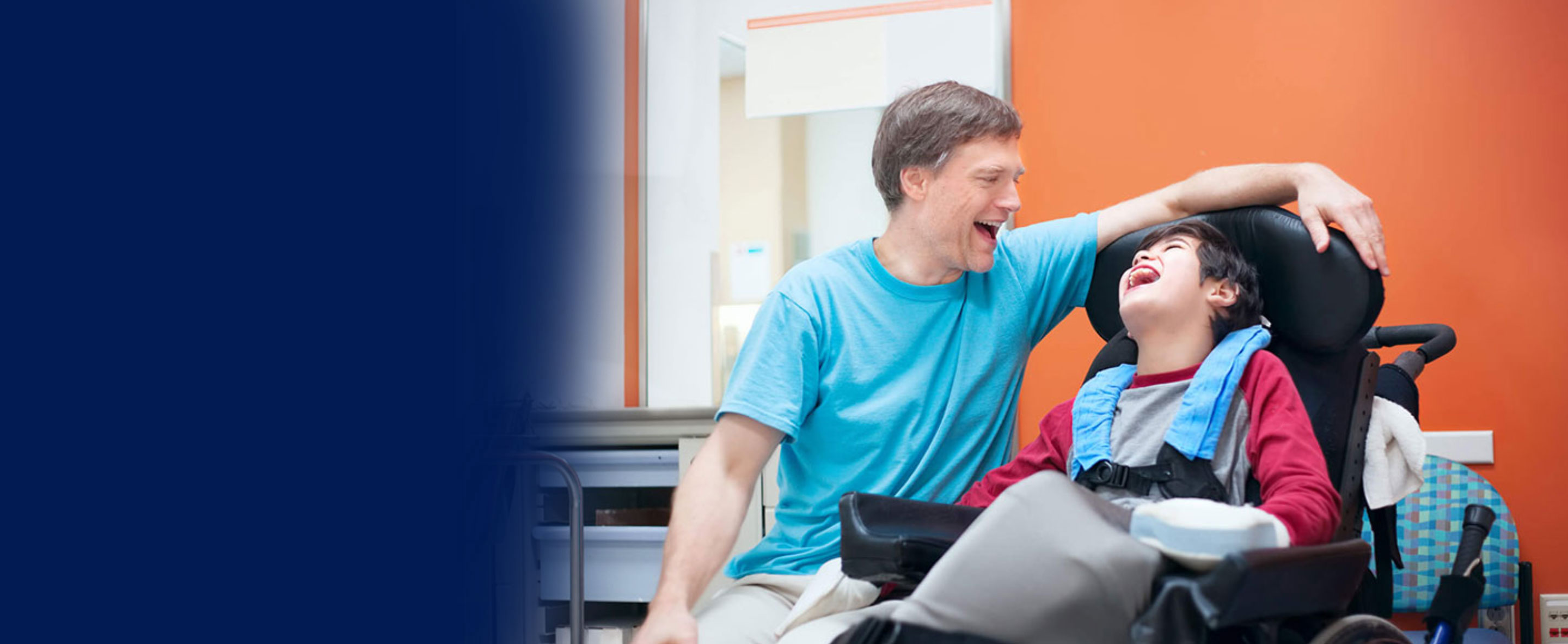
Walk Again provides reliable and efficient rehabilitation care through specialized programmes backed by the latest techniques and advanced equipment. Bring down the impact of cerebral palsy in your life by seeking personalized, comprehensive, and advanced physiotherapeutic and neuropsychological rehabilitation programmes.
Cerebral palsy (CP) is a neurological disorder that can manifest as impairments associated with posture, muscle activity, and/or body movements. It is a consequence of brain injury sustained during fetal development or another developmental disorder that impacts brain development. The signs and symptoms of cerebral palsy show up early in childhood and vary greatly among individuals.
The primary consequence of cerebral palsy is the disturbance of muscle movement control resulting in movement disorders. Although that isn't always the case, it might also have an impact on adjacent brain regions and the functions they regulate. The patient does not always have an intellectual disability with this disorder. Cerebral palsy patients may need lifetime medical care. A pediatric specialist and the rehabilitation experts work together as a team to take care of your child. It is not possible to cure cerebral palsy completely. However, there are several kinds of rehabilitation solutions that may improve the patient's abilities to perform daily tasks.







Empower your Rehabilitation journey with FDA-approved and Internationally recognized Neuromodulation Techniques that integrate Real-time Biofeedback to regenerate and improve body functions.
World’s 1st wearable exoskeleton that aims at regenerating and enhancing limb function

A wireless device for rehabilitation through unilateral and bilateral training Interactive therapies.

World’s thinnest posturography system used for balance training and fall prevention.

World’s 1st multi-limb rehabilitation robot that addresses and corrects motor deficits.

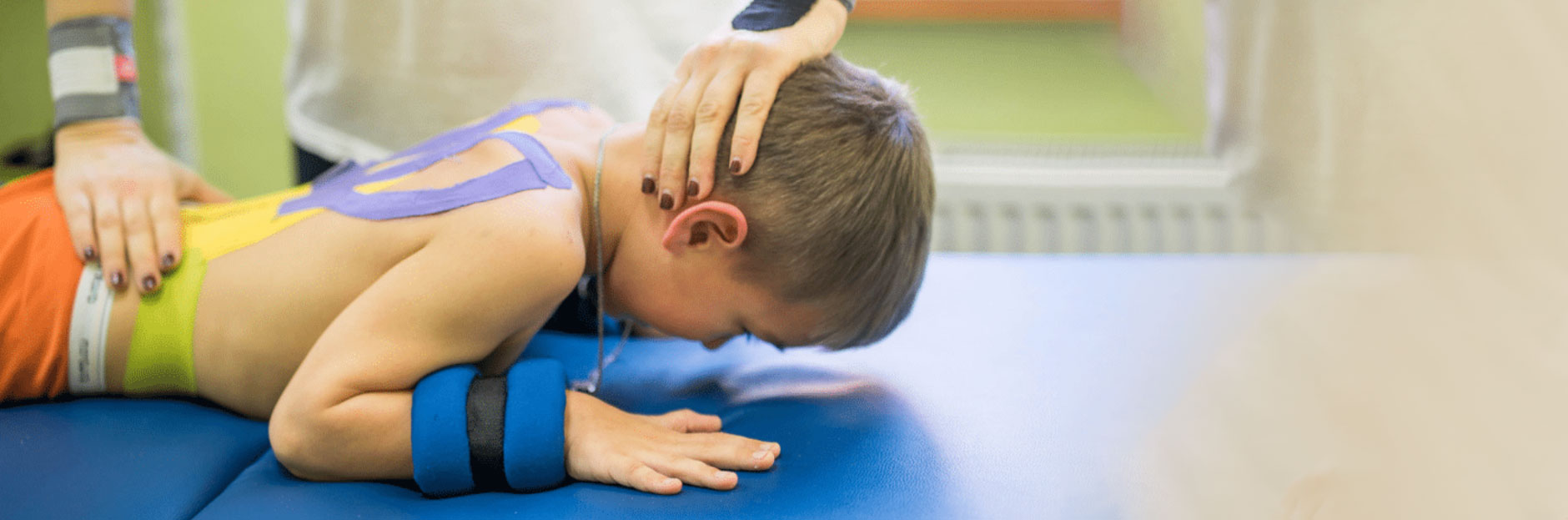
At Walk Again, many approaches and techniques are used in the rehabilitation of children with cerebral palsy (CP). These include more sophisticated motor learning-based approaches like neurodevelopmental treatment and conductive (habit-forming) education, as well as more conservative and conventional methods like massage, manual stretching, and muscle strengthening. Since sensory, cognitive, communication, perception, and/or behavioral disorders are often present alongside motor disorders in children with cerebral palsy (CP), therapy approaches are tailored to the specific needs of each child.
Neurodevelopmental treatment, conductive education, constraint-induced movement therapy, and task-oriented therapy are the rehabilitation approaches that do not require equipment. On the other hand, robotic therapy, virtual reality, and horseback riding therapy are the rehabilitation approaches that do require equipment.
Numerous studies show that children with cerebral palsy (CP) benefit greatly from intensive neurorehabilitation. It is a multidisciplinary approach that targets distinct functional goals by integrating a range of interventions.
Children with cerebral palsy respond favorably to new intensive rehabilitation techniques that combine training for the upper and lower extremities. Patients who receive such rehabilitative interventions have shown a significant increase in both motor and sensory connectivity as a result of performing repeated, skillful movements. The use of goal-directed activities in the programmes greatly enhances motor learning and neuroplasticity. Meanwhile, repetitive tasks that gradually increase in complexity tend to stimulate many positive changes in the developing brain. By strengthening the action-response abilities, repeated practice of a particular movement may facilitate automatization and transfer motor control to memory-based processing.
There is a high-satisfaction rate in patients who developed gross motor skills (particularly walking), self care, cognitive skills, socialization, adapting with residual impairments, and a lot more from these physiotherapeutic and neuropsychological rehabilitation programmes.


Check out our blog for valuable data, personal experiences, and advice on neuro rehab, professional knowledge collection, participating in others' experiences, coping strategy identification, and discovering the motivation for advancement.
 verified by: Dr. Rajesh Kumar
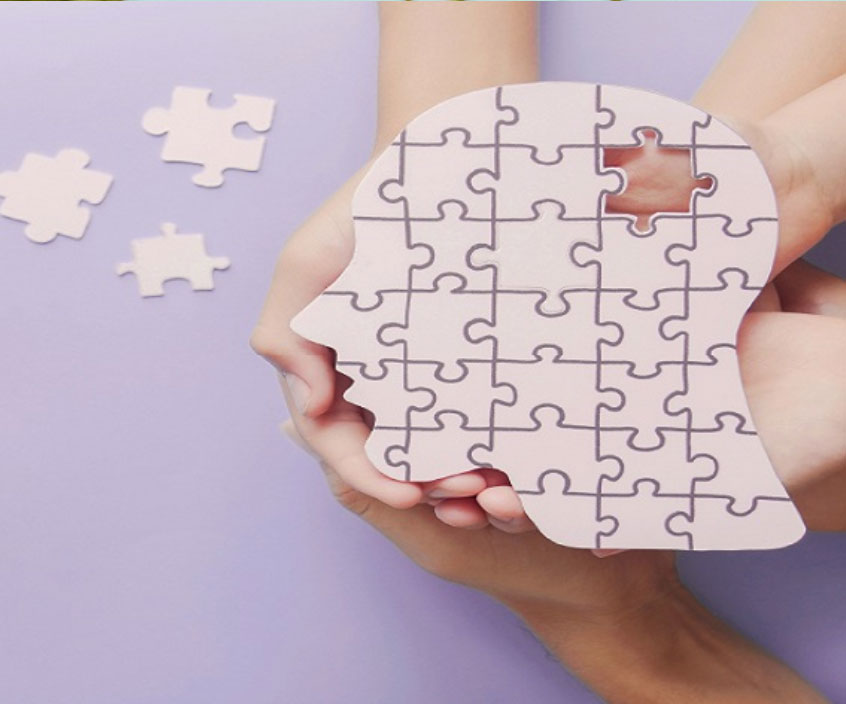
Our memory plays a crucial role in determining our ability to acquire knowledge and understand things. This is primarily because it allows us to retain and recall our past experiences and use them in our present.
 verified by: Dr. Rajesh Kumar
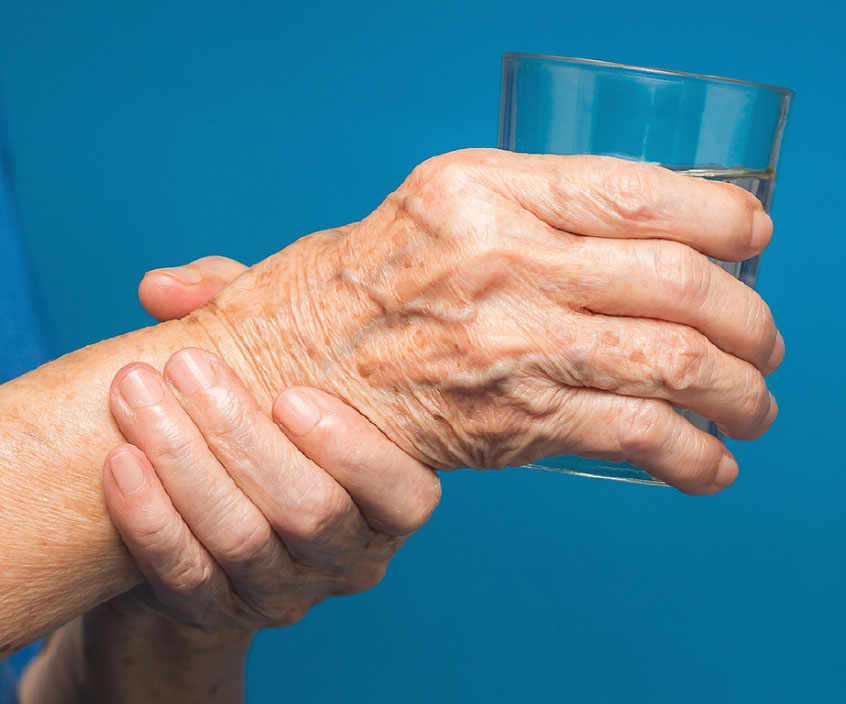
Parkinson’s may be a word for some, but a reality for more than 8.5 million people across the globe. The neurodegenerative condition drastically impacts a person’s motor symptoms, making them lose control over their movement.
 verified by: Dr. Rajesh Kumar
Neurological conditions often prove to be debilitating as these can interfere with the normal conduction of electrical signals between the brain and the body. This can lead to physical or mental impairment that can dramatically impact the quality of the patient’s life.


